At RekordShop, we believe in empowering young creatives to tell their stories through music, exploring how sound and culture intertwine to shape lived experiences. UK rap has evolved into something much bigger than just a music genre—it’s a movement, a lifestyle, and for many, an identity. But is UK rap simply a genre, or has it become a culture in its own right?
The Origins of UK Rap
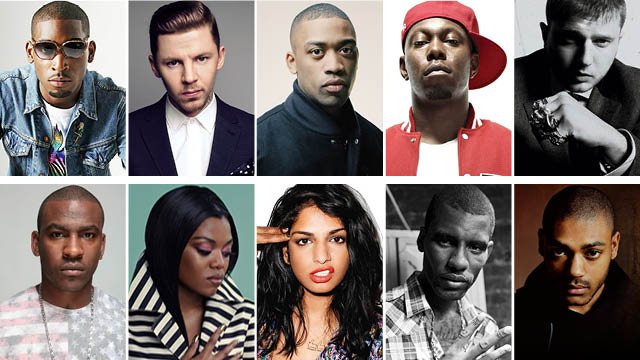
UK rap emerged from the garage and jungle scenes, where early MCs began rapping over fast-paced beats. As the sound evolved, grime took shape with its distinctive drum and kick patterns, and artists from London quickly gained recognition on platforms like Channel U.
Dizzee Rascal is often credited as one of the first artists to truly break through as an ‘English rapper.’ His debut album, Boy in da Corner, produced between the ages of 17 and 18, cemented him as a pioneer of UK rap, paving the way for countless MCs. Wiley, Skepta, JME, Kano, and others followed, laying the foundation for a thriving UK rap scene.
Music’s Influence on Culture
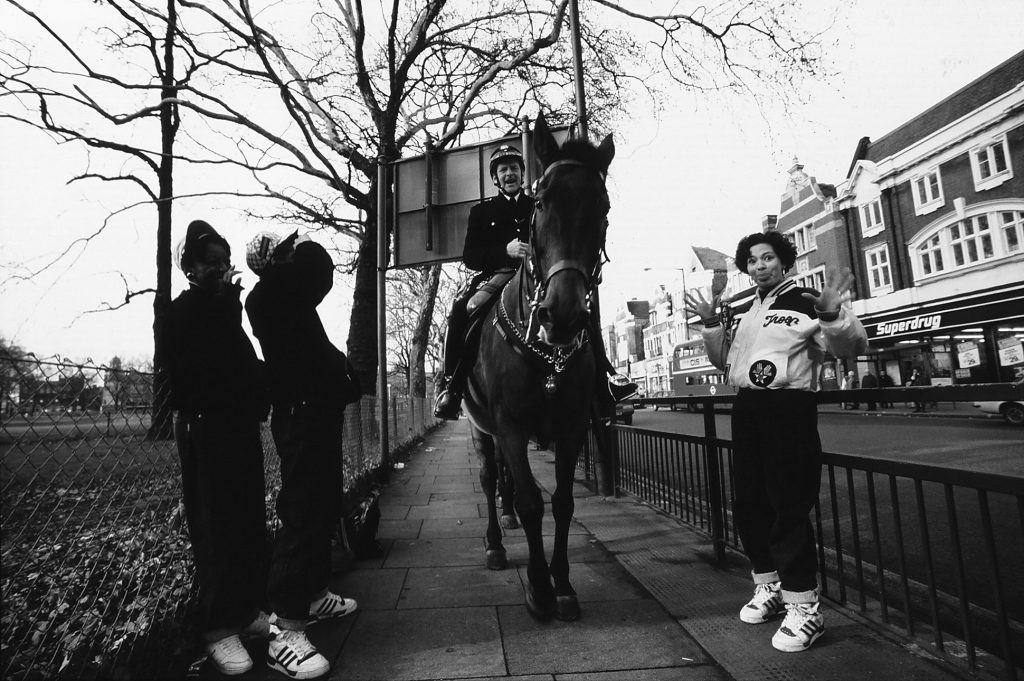
Music has always had a profound impact on culture. UK rap, in particular, has influenced everything from slang and fashion to nightlife and social trends. When an artist references a style, a phrase, or a certain way of life in their music, it often trickles down into mainstream culture. But is UK rap just influencing culture, or is it its distinct cultural movement?
The Evolution of UK Rap

From 2018 onwards, the UK rap scene diversified, expanding beyond drill and trap. Artists like J Hus, Dave, Hardy Caprio, and MoStack pioneered a new wave—Afro-swing—bringing a club-friendly and melodic sound to the streets of England. This made UK rap more accessible to a wider audience, as the themes of partying, relationships, and good vibes resonated across different social groups.
Meanwhile, ‘real rap’ was also gaining traction. Channels like P110, JDZMedia, and GRM Daily became platforms for artists such as Potter Payper, Nines, and Bugzy Malone to tell authentic stories of struggle and resilience. Unlike a drill, which often focuses on raw street narratives, real rap leans more into introspection and storytelling over classic boom-bap beats.

The popularisation of UK music meant it found its way into schools, clubs, your local JD and more – and this was a massive shift. Fast-forward to around 2020, we start to see a revival of harder-hitting flows and lyrics – but not in the same way we had before. Artists, mainly from London, had began rapping with fast flows and gritty lyrics, but over a more chilled-out instrumental. This contrast created a new sound, something referred to as ‘mellow-drill’, or ‘chill rap’, this allowed even more people to feel apart of the UK rap scene. Where a lot of young, middle-class people didn’t feel like they aligned with the dark, demonic sound of drill – chill rap gave them an outlet to enjoy the flows without feeling like a ‘faker’ or that they were involving themselves in something they shouldn’t.
The UK Underground Scene
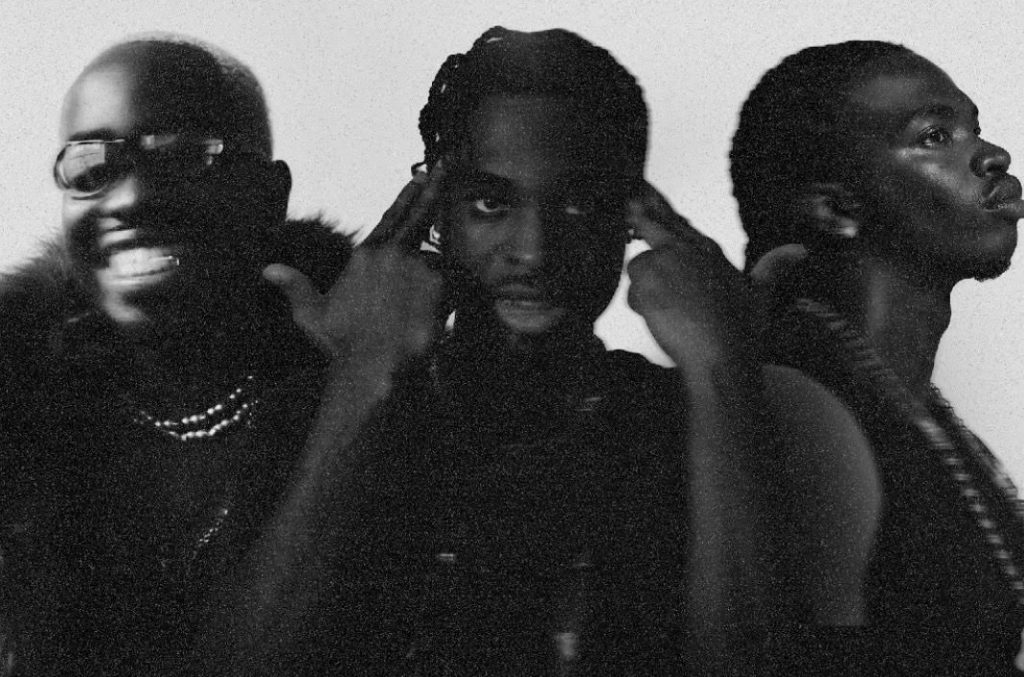
In Late 2022/early 2023, the ‘UK Underground’ formed – this consists of artists who don’t fit the stereotypical ‘rapper’ look/sound making music that does not conform with industry norms. Rappers such as YT, Fimiguerrero, Fakemink and more create a distorted, raw, digital sound that is always heavily edited with vocal effects. The beats typically have a lot of claps in them and utilise samples from the 2000’s. This has brought in a whole other audience who identify with the themes and also aesthetic of this genre. The fashion is definitely quite a big part of it, with older, y2k-style clothes being used as the trademark of an ‘underground rapper.’
Fashion & UK Rap: A Cultural Connection

Fashion and music have always been interconnected, and UK rap has solidified this bond. Brands like Corteiz and Trapstar have collaborated with artists such as Central Cee, providing tangible ways for fans to engage with the culture. When artists and fashion brands work together, they create more than just music—they shape an entire aesthetic and identity for their audience.
Is UK Rap a Genre or a Culture?
UK rap is no longer just a genre—it’s a culture that encompasses various subcultures, from grime and drill to Afro-swing and underground rap. A culture is a way of living, a shared experience that influences everyday choices—and UK rap undeniably does just that. Young people across the UK see themselves reflected in the music, the slang, the fashion, and the values that come with it.


At RekordShop, we exist to give young people a platform to tell their stories, share their perspectives, and shape the future of UK music. Music isn’t just entertainment—it’s a reflection of lived experiences, a tool for expression, and a force for change.
This blog was curated and written by Oli Knaggs for RekordShop.